Congratulations to the Berkeley Artificial Intelligence Research (BAIR) Lab class of 2026! This year, BAIR celebrates another remarkable group of Ph.D. graduates whose curiosity, creativity, and perseverance have pushed the frontiers of artificial intelligence and machine learning.
Their work spans the breadth of modern AI — robotics and embodied intelligence, large language models and reasoning, computer vision, generative modeling, AI safety, human-AI interaction, AI for science and healthcare, and much more. Along the way, they have published influential research, built systems with real-world impact, mentored their peers, and shaped the BAIR community for the better.
Now they are headed everywhere ideas travel: to faculty and postdoctoral positions, to industry research labs, and to startups of their own founding — and several are still exploring what comes next and would love to hear from you.
Please join us in celebrating the achievements of these wonderful graduates. We are proud of everything they have accomplished at Berkeley, and we can’t wait to see what they do next!
Thank you to our friends at the Stanford AI Lab for this idea!
Baifeng Shi
Email: baifeng_shi@berkeley.edu
Website: https://bfshi.github.io/
Advisor(s): Trevor Darrell
Research Blurb: I work on building generalist vision and robotic models.
What's next: Member of Technical Staff at Physical Intelligence
Charlie Snell
Email: csnell22@berkeley.edu
Website: https://sea-snell.github.io
Advisor(s): Dan Klein
Research Blurb: My work aims to understand when and how the different LLM scaling paradigms can be traded off and interchanged. In particular, test-time scaling treats each prompt independently, drawing long chains of inferences and then forgetting them entirely between prompts. This differs critically from pretraining, which instead learns a compressed representation from a large dataset. I believe bridging the gap between these methods of scaling computation, presents a key open challenge in the field: how can we develop methods which turn the inferences drawn at test-time back into learned representations that the model can hold onto across interactions.
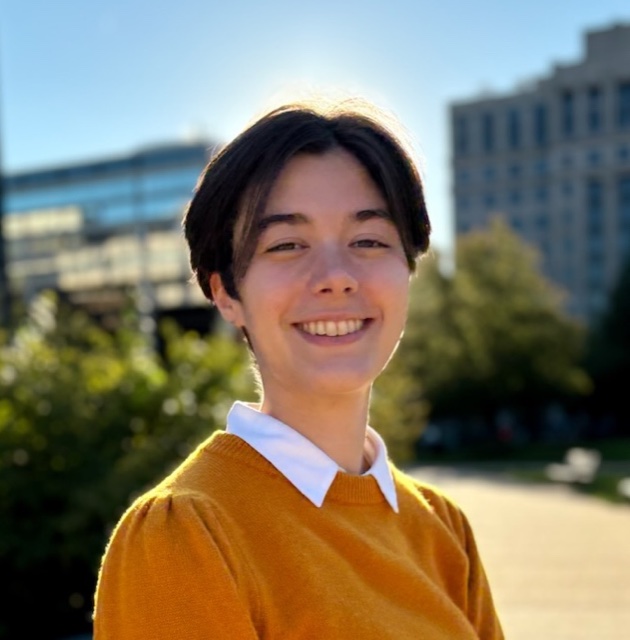
Devin Guillory
Email: dguillory@berkeley.edu
Website: https://devinguillory.com
Advisor(s): Trevor Darrell
Research Blurb: Accounting for data shifts in computer vision models
What's next: Building collaborative AI systems, looking for conspirators.
Eve Fleisig
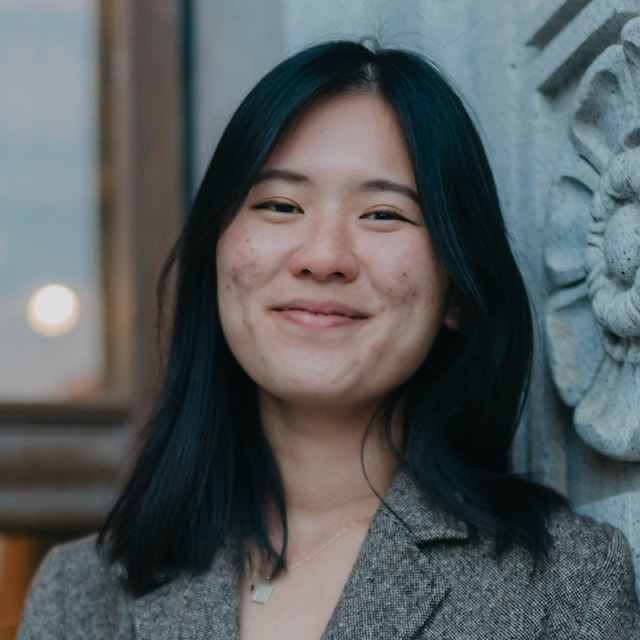
Email: efleisig@berkeley.edu
Website: https://efleisig.com
Advisor(s): Dan Klein
Research Blurb: I design language models to work reliably and fairly for the broad range of real LLM users. First, my research leverages disagreement among user preferences as signal, in order to train and evaluate LLMs for entire populations of users. Second, I work on designing rigorous evaluations to extricate challenging LLM harms that diverse users face. Finally, I work on core technical failures of LLMs, like miscalibrated confidence, to reduce downstream risks when models are deployed to users with different needs. Combined, these interventions facilitate building LLMs that minimize societal harms, and maximize benefits to a wider range of real-world users.
What's next: Postdoctoral fellow at Princeton CITP
Grace Luo
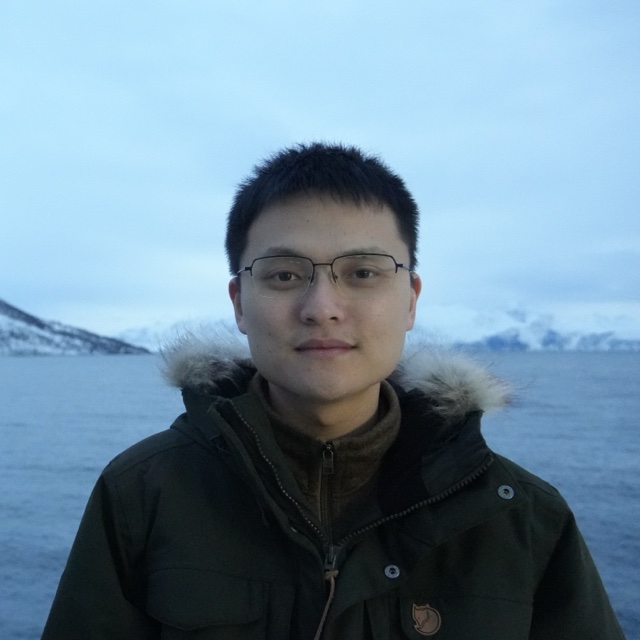
Email: graceluo@berkeley.edu
Website: https://graceluo.net
Advisor(s): Trevor Darrell
Research Blurb: My research is on interpreting and controlling generative models. For example, I've worked on re-purposing image generators for computer vision tasks, and meta-modeling language activations for better LLM probing and steering.
What's next: Research scientist in industry
Hanlin Zhu
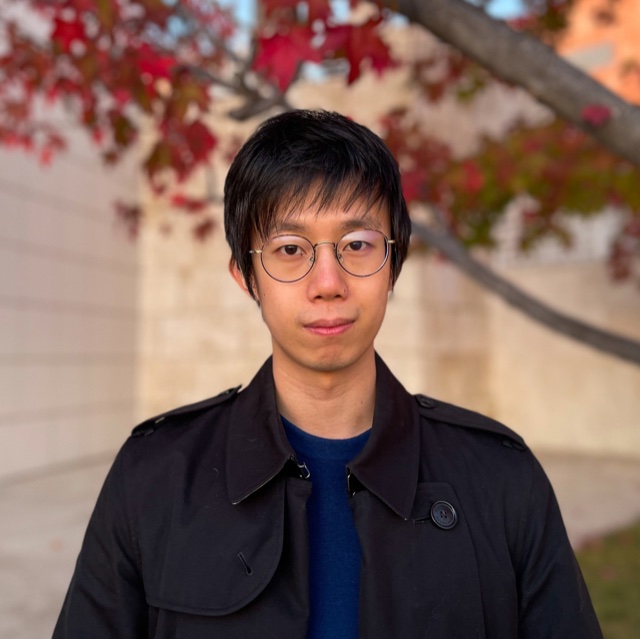
Email: hanlinzhu@berkeley.edu
Website: https://hanlinzhu.com/
Advisor(s): Stuart Russell, Jiantao Jiao
Research Blurb: My research centers on understanding and improving the reasoning capabilities of large language models (LLMs).
What's next: Member of Technical Staff at OpenAI
Haozhi Qi
Email: hqi@berkeley.edu
Website: https://haozhi.io/
Advisor(s): Jitendra Malik, Yi Ma
Research Blurb: Dexterous Manipulation and Robot Learning
What's next: Research scientist at Amazon; Faculty at University of Chicago
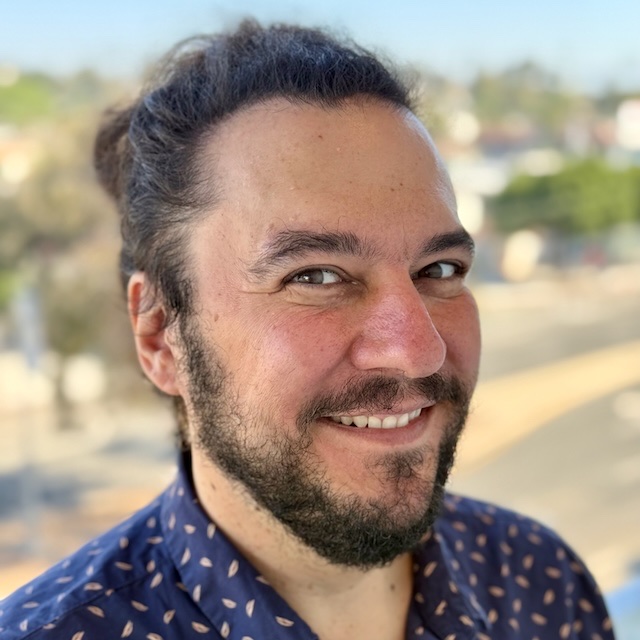
J.D. Zamfirescu-Pereira
Email: zamfi@berkeley.edu
Website: https://zamfi.net
Advisor(s): Bjoern Hartmann
Research Blurb: My research focuses on effective human-AI co-design. I study the boundaries of language interfaces as a medium for interacting with AI, creating systems that blend language-focused interactions with structured user interfaces that draw on different levels of abstraction. I focus on language-oriented technologies, like LLMs and text-to-image models, that are powerful mediators of design processes. These technologies enable humans to describe their desires at almost any level of abstraction, from high-level goals vaguely specified (“I’d like a game to help my kid learn to read”) to low-level corrections of undesired outputs (“Don’t say ‘I know because I’ve tasted it’ when about a recipe substitution's taste”).
What's next: Assistant Professor, Computer Science, UCLA
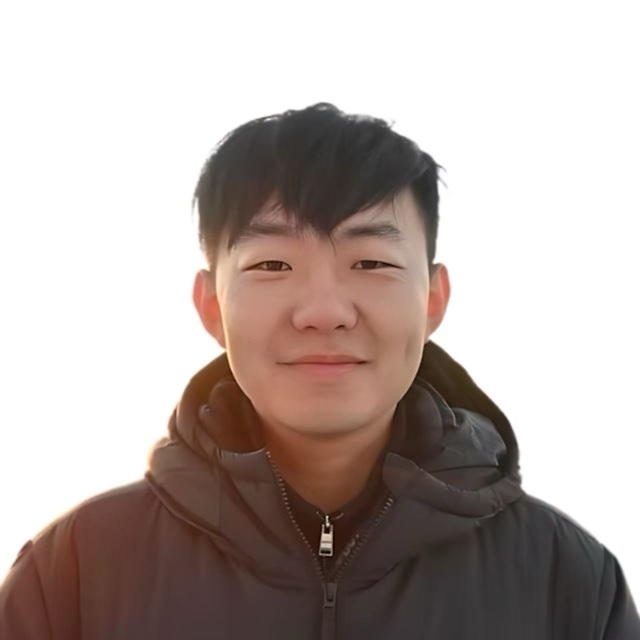
Jiachen Lian
Email: jiachenlian@berkeley.edu
Website: https://jlian2.github.io
Advisor(s): Gopala Anumanchipalli
Research Blurb: My research focuses on human-centered AI across speech, healthcare, and systems.
Looking for: Look for AI talents to join our startup
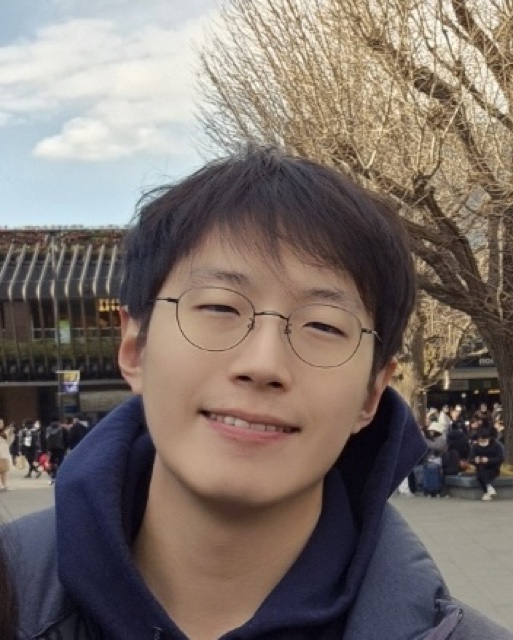
Josh Kang
Email: minwoo_kang@berkeley.edu
Website: https://joshuaminwookang.github.io/
Advisor(s): John Canny
Research Blurb: I study language modeling and related topics in NLP; specific interests are human user simulation and building conversational, collaborative AI agents.
What's next: AI Scientist at Mistral AI
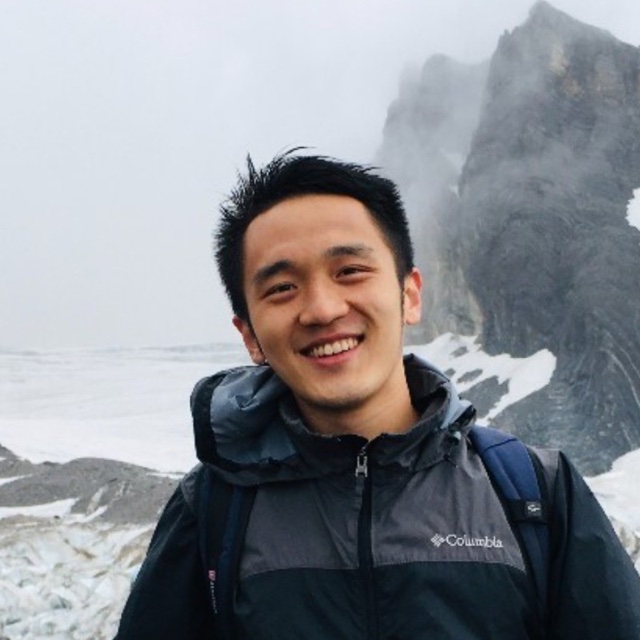
Junhao (Bear) Xiong
Email: junhao_xiong@berkeley.edu
Website: https://www.linkedin.com/in/junhao-bear-xiong
Advisor(s): Jennifer Listgarten, Yun Song
Research Blurb: Junhao (Bear) Xiong is a PhD candidate at UC Berkeley, advised by Jennifer Listgarten and Yun S. Song. His work focuses on machine learning methods for biology, with an emphasis on generative modeling for proteins. Previously, he studied Applied Math and Computer Science at Johns Hopkins.
Looking for: Research scientist
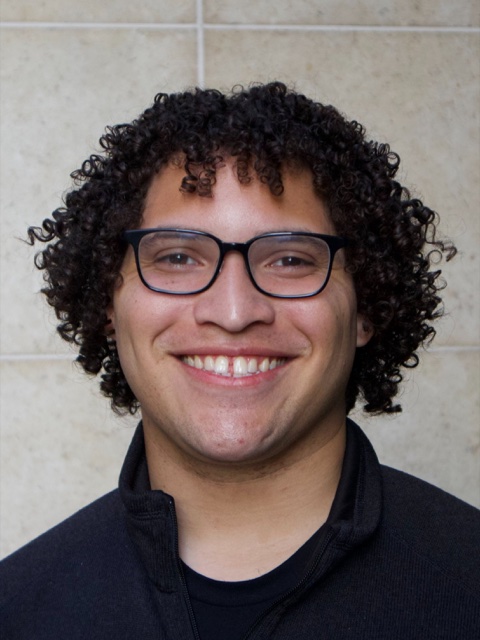
Kaylo Littlejohn
Email: kaylo_littlejohn@berkeley.edu
Website: https://kaylolittlejohn.com
Advisor(s): Gopala Anumanchipalli
Research Blurb: My research is focused on speech modeling and natural language processing. I co-led the development of multimodal AI tools to accurately translate brain activity into text, audible personalized speech, and a high-fidelity "digital talking avatar" (Nature 2023, Nature Neuroscience 2025). I am also tech lead for voice modeling at Roblox.
Looking for: Research Scientist / Engineer
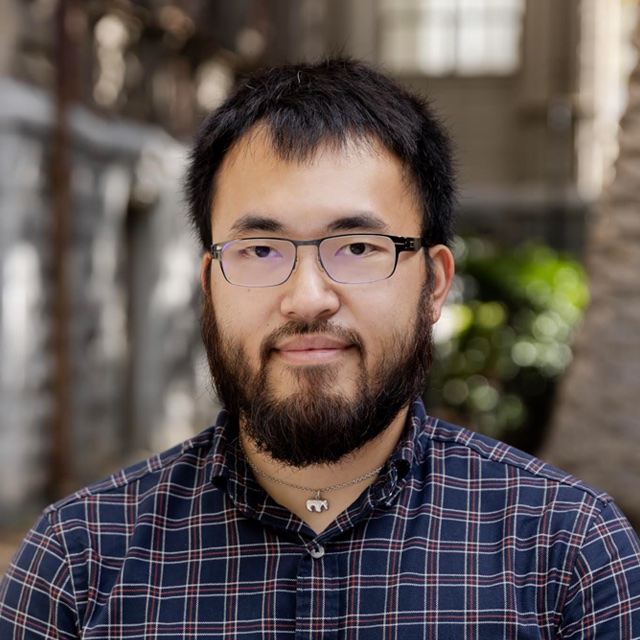
Kent Chang
Email: kentkchang@berkeley.edu
Website: https://kentkc.org
Advisor(s): David Bamman
Research Blurb: I work on NLP and multimodal machine learning, with a focus on evaluating large language models and building multimodal systems for understanding dialogue, narrative, and social interaction. My research includes benchmarks for LLM memorization, multimodal datasets sourced from feature films and television, and studies of model behavior. I'm interested in bridging computational methods with questions from the humanities and social sciences about whose voices get represented in AI systems, and about AI's broader impact. My work has appeared at EMNLP and ACL, among others.
Looking for: (teaching) faculty, Research Scientist, ML/AI SWE
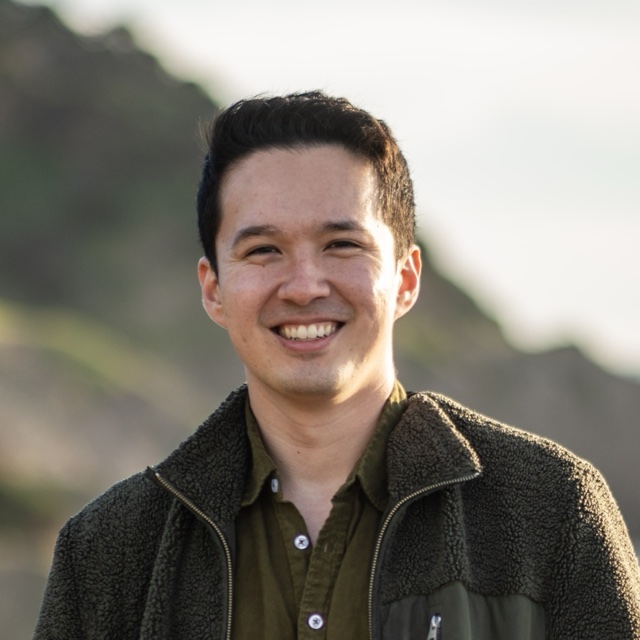
Kevin Black
Email: kvablack@berkeley.edu
Website: https://kevin.black
Advisor(s): Sergey Levine
Research Blurb: I work on large-scale robot learning: including imitation learning, reinforcement learning, generative modeling, real-time control, and whatever else it takes to make robots work in the real world!
What's next: Research Scientist of Physical Intelligence
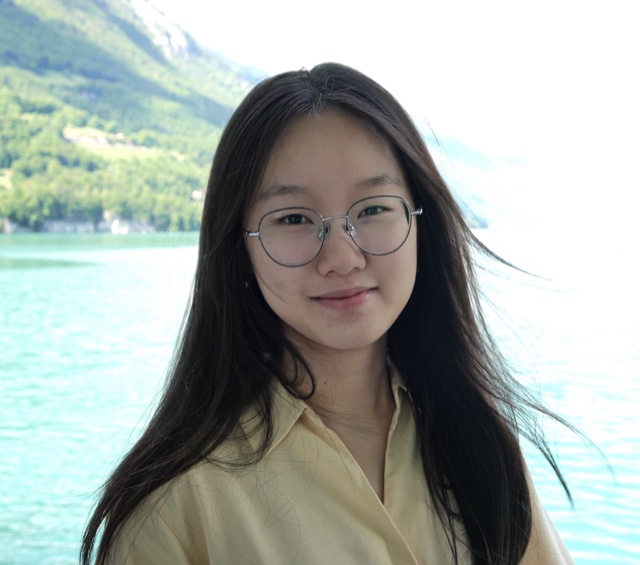
Kunhe Yang
Email: kunheyang@berkeley.edu
Website: https://www.kunheyang.com/
Advisor(s): Nika Haghtalab
Research Blurb: My research focuses on the theoretical foundations of designing and evaluating AI algorithms in environments shaped by human incentives and AI agency. My work spans human-centric policy learning, incentive-aware evaluation, and multi-agent collaboration and information transmission, drawing on tools from machine learning theory and computational economics.
What's next: Postdoc Research at Stanford
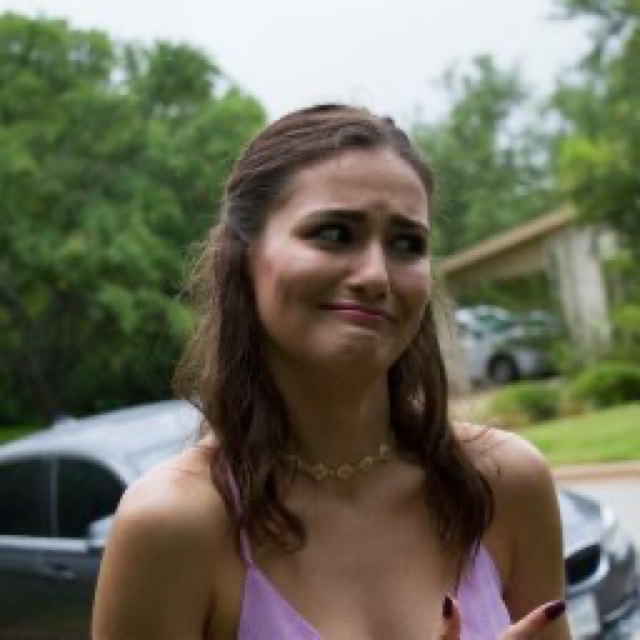
Lisa Dunlap
Email: lisabdunlap@berkeley.edu
Website: https://lisabdunlap.com
Advisor(s): Joseph Gonzalez, Trevor Darrell
Research Blurb: Auditing generative models.
What's next: Research Engineer at Anthropic
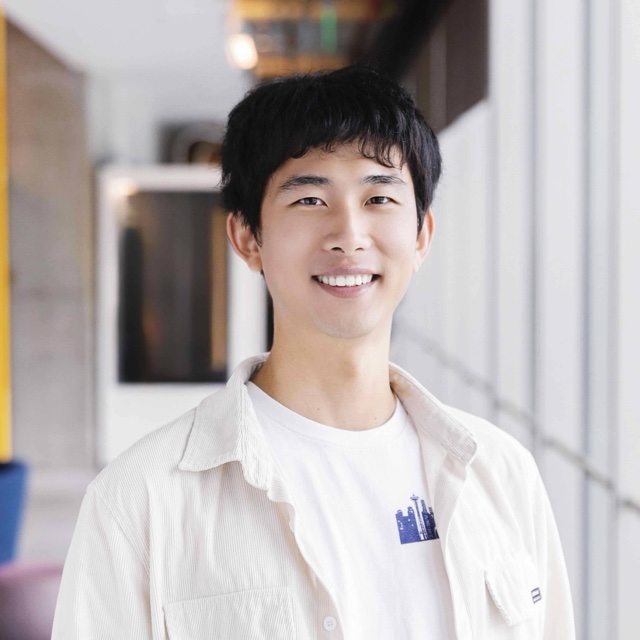
Long (Tony) Lian
Email: longlian@berkeley.edu
Website: https://tonylian.com/
Advisor(s): Trevor Darrell, Adam Yala
Research Blurb: My research primarily focuses on developing real-time multi-modal multi-agent systems and parallel reasoning systems through end-to-end RL.
What's next: Member of Technical Staff at Thinking Machines Lab
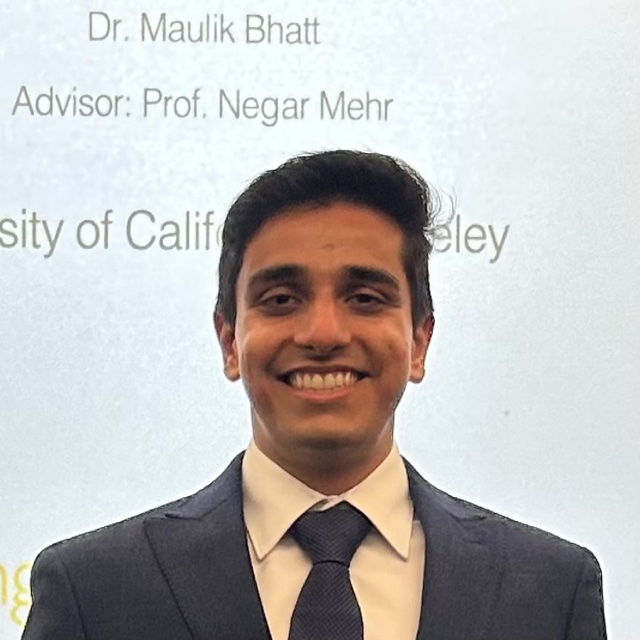
Maulik Bhatt
Email: maulikbhatt@berkeley.edu
Website: https://maulikb.com
Advisor(s): Negar Mehr
Research Blurb: My research develops autonomous robots that can safely coordinate with humans and other robots in shared environments. I build scalable algorithms grounded in game theory and diffusion models that let agents reason about the intent and behavior of others around them. My work spans real-time multi-agent trajectory planning and imitation learning in the presence of multi-modality. I've validated these methods on hardware platforms ranging from quadrotors to manipulators, with the goal of making multi-agent coordination robust, interpretable, and deployable in the real world.
What's next: Joining Toyota Woven's end-to-end autonomous driving team.
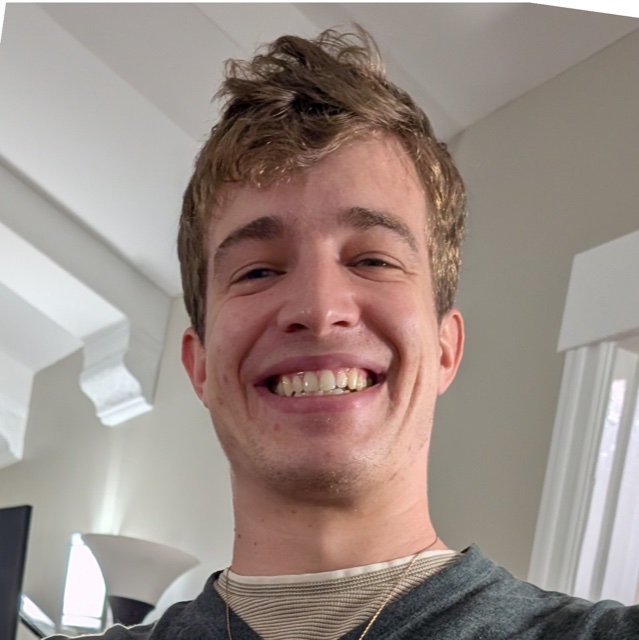
Michael Psenka
Email: psenka@berkeley.edu
Website: https://www.michaelpsenka.io/
Advisor(s): Aditi Krishnapriyan
Research Blurb: Work in various domains (reinforcement learning, world models, AI+bio/chem), generally working on longer-horizon and out-of-distribution problems in planning and interpolation (e.g. robot manipulation from start state to goal, molecular dynamics of proteins between ground states). My thesis took a variational approach (think calculus of variations) directly from deep generative models of the environment, framing path-finding as minimizing a functional induced by the learned model itself (its score, its critic, or its dynamics). Through my research I've gained insight on how to properly handle dynamics in deep learning systems, and I plan to continue developing systems that are dynamic and adaptive.
What's next: Lead Research Scientist at Baseten
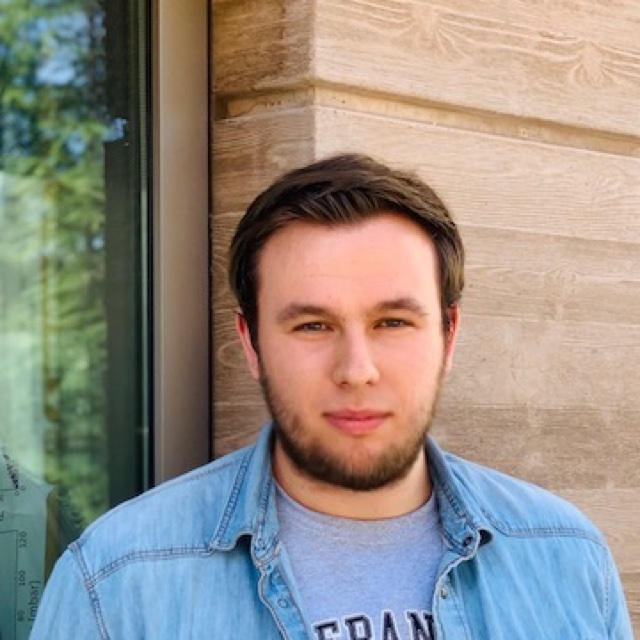
Nathan Lichtlé
Email: nathan.lichtle@gmail.com
Website: https://nathanlichtle.com
Advisor(s): Alexandre M. Bayen
Research Blurb: RL for autonomous driving.
What's next: Chief Scientist & Co-founder at Yumi Health
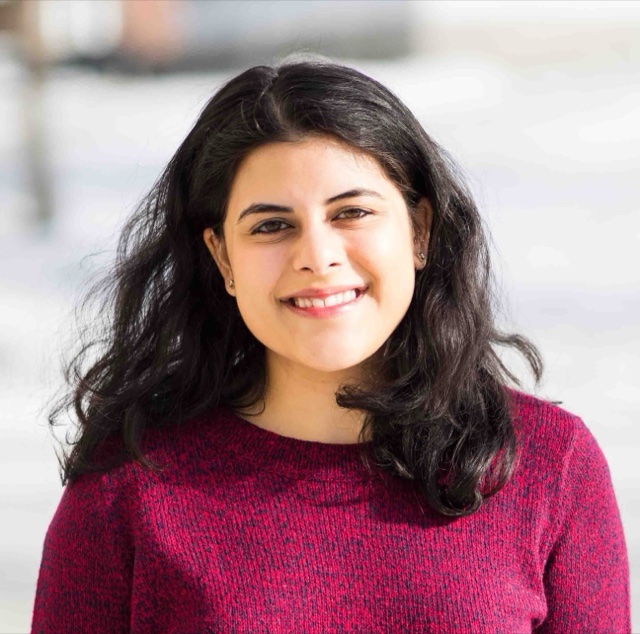
Neerja Thakkar
Email: nthakkar@berkeley.edu
Website: https://neerja.me/
Advisor(s): Jitendra Malik
Research Blurb: My research focuses on scaling predictive world models to handle the complexity of in-the-wild motion. Using autoregressive and diffusion frameworks, I develop better representations for real-world prediction and propose methods to efficiently adapt these models to new domains.
Looking for: Research scientist
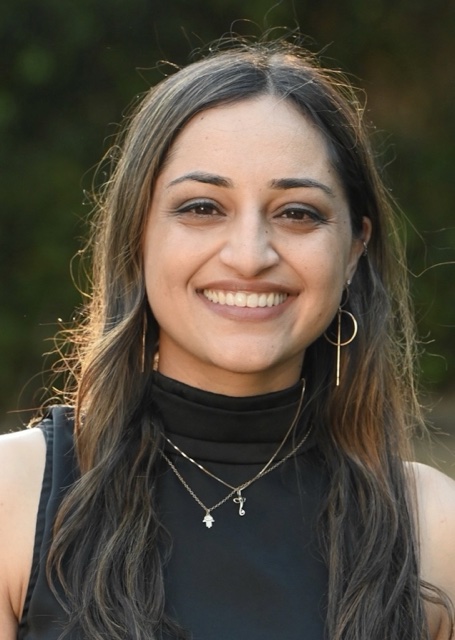
Nikita Mehandru
Email: nmehandru@berkeley.edu
Website: https://n-mehandru.github.io/
Advisor(s): Ahmed Alaa and David Bamman
Research Blurb: My research develops and applies machine learning methods for clinical reasoning and disease progression modeling using unstructured text and time series data from electronic health records. In collaboration with physicians at UCSF, I bridge method development and clinical validation with the intention to build reliable, interpretable AI systems in medicine.
Looking for: Research Scientist
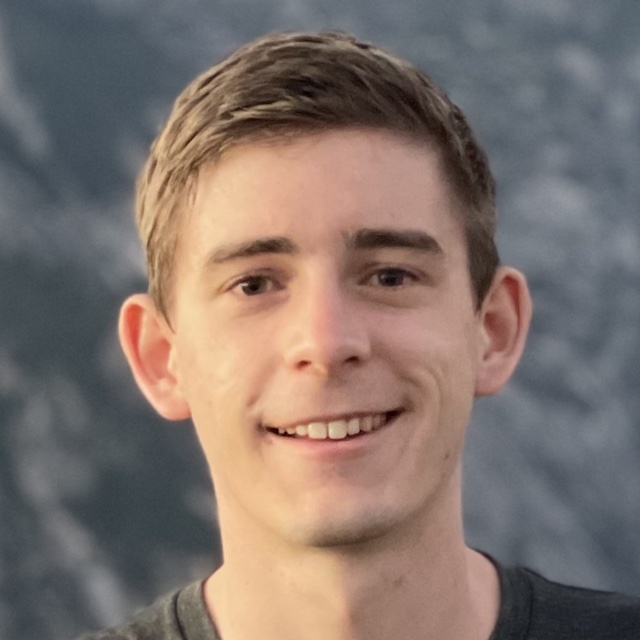
Niklas Lauffer
Email: nlauffer@berkeley.edu
Website: https://niklaslauffer.github.io/
Advisor(s): Stuart Russell and Sanjit Seshia
Research Blurb: Niklas's research is focused on AI safety and reinforcement learning, particularly in the area of multi-agent interaction and LM agents. He's worked on enabling adversarial learning in cooperative and mixed-motive settings, solving issues of covariate shift in training LM agents on long-horizon tasks, as well as evaluating safety risks posed by LM agents in multi-agent settings.
What's next: Research Scientist at Google Deepmind
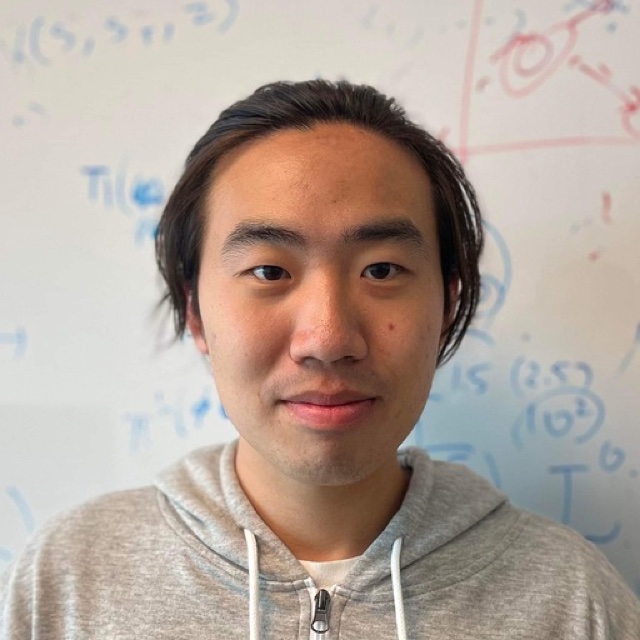
Qiyang Li
Email: qcli@berkeley.edu
Website: https://colinqiyangli.github.io/
Advisor(s): Sergey Levine
Research Blurb: Recent progress in robotic manipulation policy learning has been largely driven by (1) the increasing availability of large-scale prior datasets and (2) the success of action chunking, where the policy predicts a short sequence of future actions rather than a single one. However, most action chunking policies are trained via supervised imitation learning, because efficient online self-improvement with reinforcement learning (RL) remains challenging—limiting real-world applicability. My PhD research studied how we could leverage prior data to optimize action-chunking policies with RL, combining empirical results with theoretical insights.
Looking for: Post-doc/research scientist for RL in robotics and LLMs!
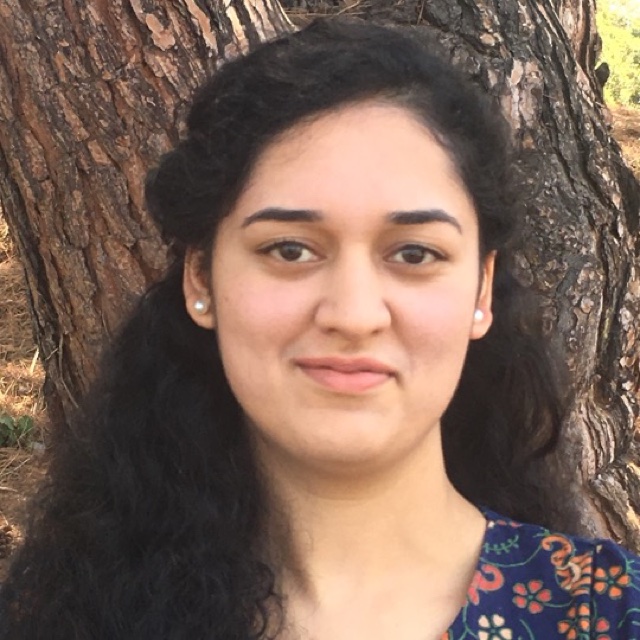
Sampada Deglurkar
Email: sampada_deglurkar@berkeley.edu
Website: https://sdeglurkar.github.io/
Advisor(s): Prof Claire Tomlin
Research Blurb: My research is in providing safety assurances for AI-enabled autonomous systems, ranging from robots to autonomous vehicles to aviation systems. For this, I have worked with uncertainty quantification for machine learning models, decision-making under uncertainty algorithms, and tools for producing probabilistic guarantees on system operation.
Looking for: Research scientist, Research engineer
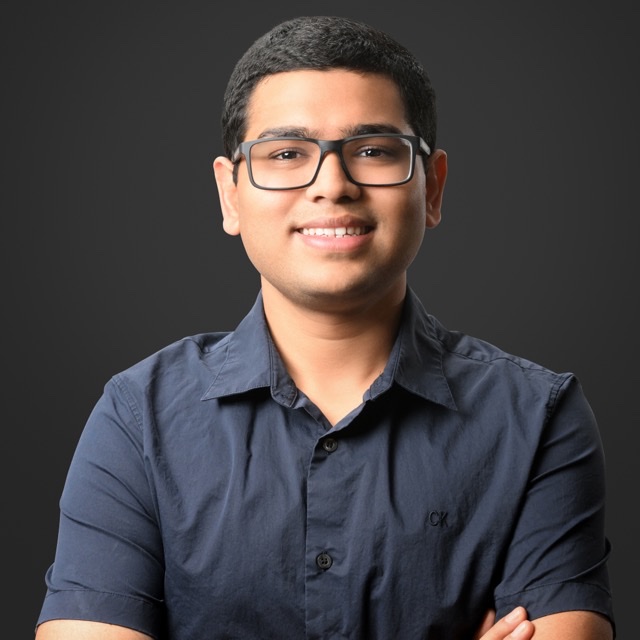
Vinamra Benara
Email: vbenara@berkeley.edu
Website: https://cs.berkeley.edu/~vbenara
Advisor(s): Ion Stoica
Research Blurb: My research focuses on LLM post-training, including data curation, RLHF, RLVR with VLMs, evaluations, reasoning, agentic workflows, and interpretability. I also have strong expertise in systems infrastructure for distributed computing.
Looking for: Research scientist / Research Engineer
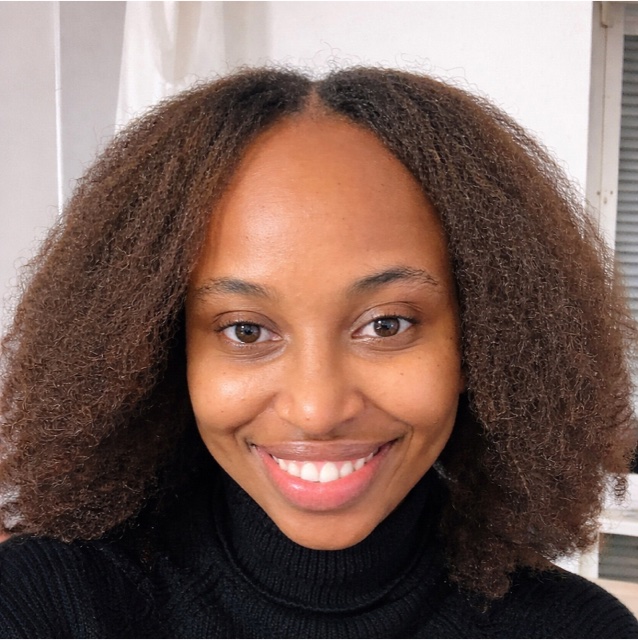
Vongani Maluleke
Email: vongani_maluleke@berkeley.edu
Website: https://people.eecs.berkeley.edu/~vongani_maluleke/
Advisor(s): Jitendra Malik and Angjoo Kanazawa
Research Blurb: Vongani Maluleke is a PhD candidate at UC Berkeley (BAIR, advised by Jitendra Malik and Angjoo Kanazawa), where she led the development of MAGNet, a unified multi-agent motion generation framework that supports a wide range of motion generation tasks without retraining or architectural changes, outperforming task-specialized state-of-the-art baselines. She is currently extending this work by deploying it on a Unitree G1 humanoid to make it embody social intelligence. Before her PhD, she was a Senior AI Consultant at Deloitte, awarded Exceptional Performer two consecutive years, leading AI system development across media, telecommunications, retail, and financial services.
Looking for: Research scientist
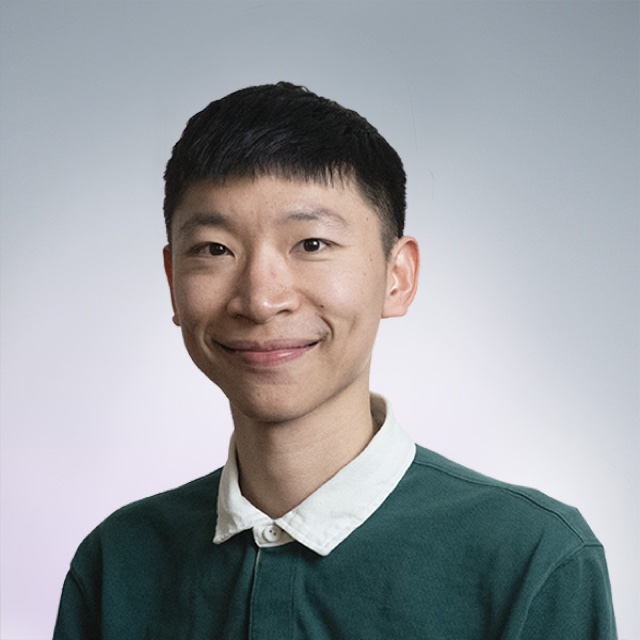
Wei-Jer Chang
Email: weijer_chang@berkeley.edu
Website: https://weijer-chang.github.io/
Advisor(s): Masayoshi Tomizuka
Research Blurb: My research focuses on developing safe and intelligent autonomous systems for complex, human-centered environments. I work at the intersection of machine learning, generative models, and reinforcement learning, with applications in autonomy. My work addresses challenges in multi-agent interaction, interactive human behavior, and long-tail safety-critical scenarios at scale.
Looking for: Research Scientist, Applied Scientist, Roboticist
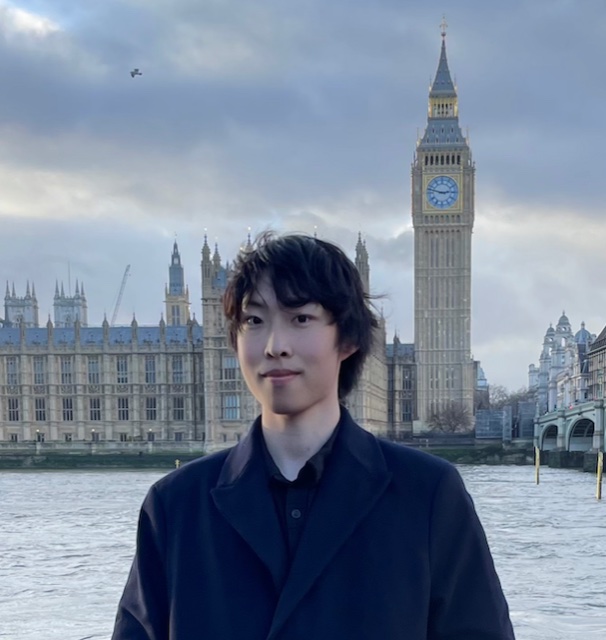
Xiuyu Li
Email: xiuyu@berkeley.edu
Website: https://xiuyuli.com/
Advisor(s): Kurt Keutzer
Research Blurb: My research focuses on developing scalable and self-improving large language model agents, with emphasis on coding agents for complex, long-horizon tasks. This direction builds on my work in parallel reasoning, and on broader expertise in making generative models more efficient in training and inference across language and vision.
What's next: Member of Technical Staff at xAI
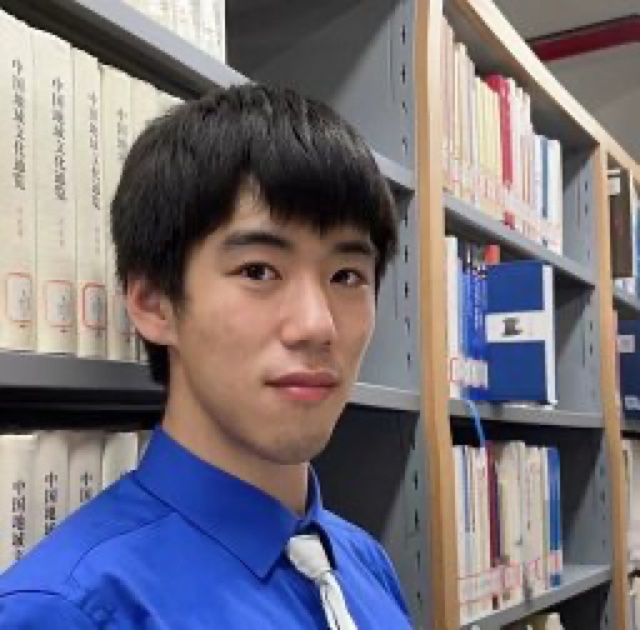
Yichen Xie
Email: yichenxie0928@gmail.com
Website: https://yichen928.github.io/
Advisor(s): Masayoshi Tomizuka
Research Blurb: My research focuses on building multimodal foundation models and world models that understand and interact with complex physical environments. I aim to develop unified representations across modalities, enabling AI systems to reason over space, time, and dynamics toward general-purpose embodied intelligence.
What's next: Research Scientist at Luma AI
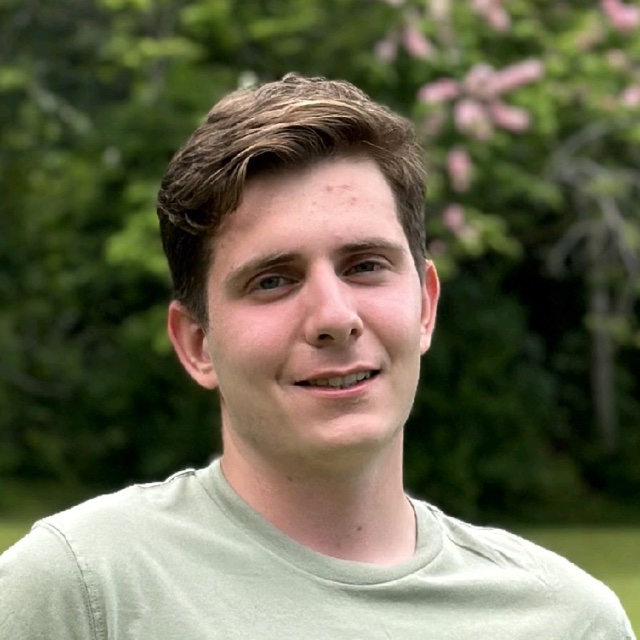
Yigit Efe Erginbas
Email: erginbas@berkeley.edu
Website: https://www.linkedin.com/in/erginbas/
Advisor(s): Kannan Ramchandran, Thomas A. Courtade
Research Blurb: My PhD research spans two threads: online learning in large-scale markets, and interpretability of large machine learning models. In the first, I work on sequential decision-making with applications to recommendation, pricing, and assortment selection. My focus is on designing algorithms with provable guarantees for welfare maximization, revenue maximization, and stability. In the second, I develop scalable attribution methods that exploit the sparse, low-degree structure of real-world interactions, using tools from signal processing and information theory. More recently, I have been exploring principled ways to evaluate the faithfulness of model self-explanations.
What's next: Researcher at Hudson River Trading's AI Labs (HAIL)
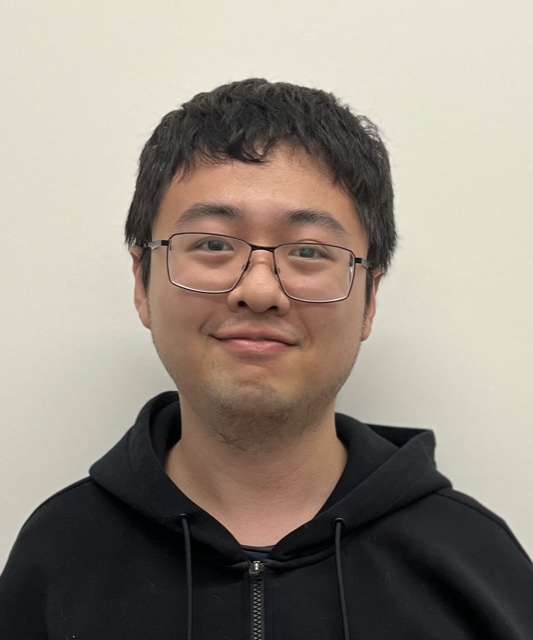
Yiheng Li
Email: yhli@berkeley.edu
Website: https://Yihengli.com
Advisor(s): Masayoshi Tomizuka
Research Blurb: I am working on vision world modeling, with prior experience in diffusion model's efficiency as well as in autonomous driving.
What's next: Research Scientist at Waymo
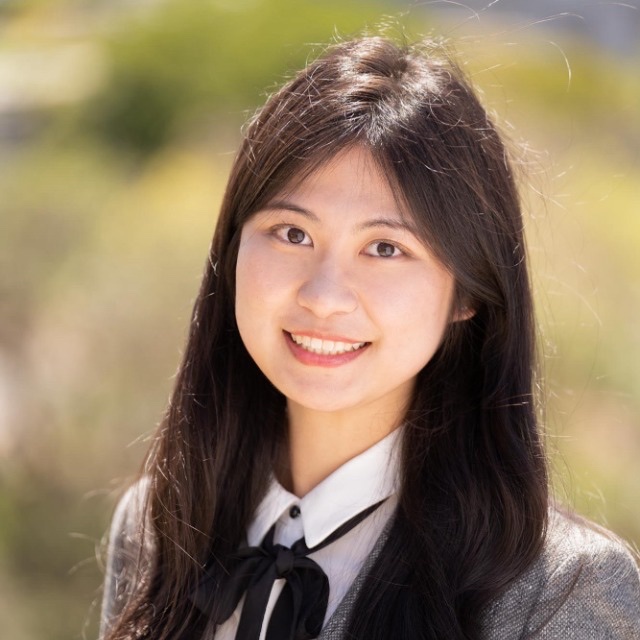
Zhe Fu
Email: zhefu@berkeley.edu
Website: https://fu-zhe.com/
Advisor(s): Alexandre Bayen
Research Blurb: My research focuses on physics-informed learning and control for mixed-autonomy systems, with applications in transportation. I design physics-informed neural networks to learn solutions of nonlinear partial differential equations, enabling accurate and data-efficient prediction of traffic dynamics. Building on these models, I develop both model-based and learning-based control strategies that coordinate automated vehicles to improve system-level performance. My work bridges machine learning, control, and real-world deployment, and has been validated in large-scale field experiments. More broadly, I aim to advance trustworthy, interpretable AI for decision-making in complex, real-world systems.
What's next: I will be an Energy Fellow at Stanford after graduation. Also looking for Faculty, or research scientist positions in AI, control, and autonomy.